Blog

How Different Alternative Fuels React in Cold Temperatures

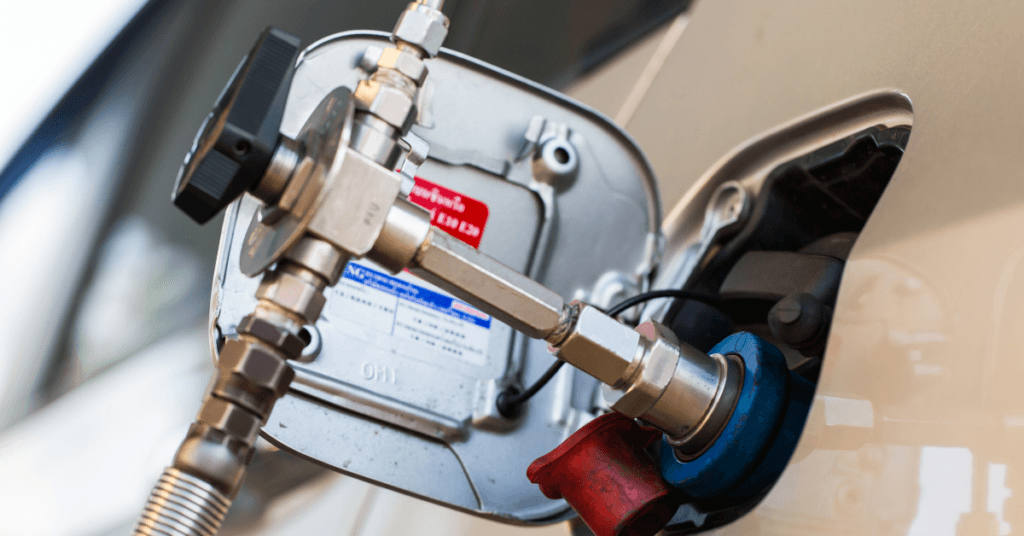
Though spring is technically here, if you’re in the Midwest, you know that winter lingers longer than we may like it. As alternative fuels react differently from one another in cold weather—while some are more resilient in winter, others require some preparation and knowledge to keep the vehicle operable—knowing how different alternative fuels function in

How Different Alternative Fuels React in Cold Temperatures Read More »
A History of Alternative Fuels

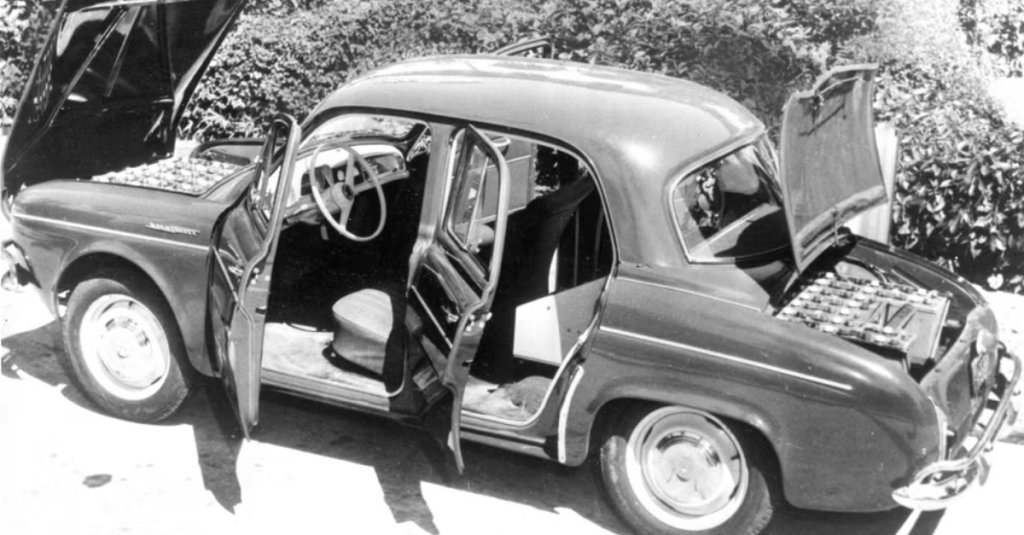
What are alternative fuels? Alternative fuels are fuels sourced from non-petroleum and often renewable resources. This includes but is not limited to fuels made from fossil fuels that burn cleaner and others from plant-based materials or organic waste. In a previous blog, we covered what alternative fuels are and why they’re important. Now, we’ll go

A History of Alternative Fuels Read More »

How to Improve an EV’s Fuel Economy in Winter

The effect of cold weather on fuel economy is significant. All vehicle batteries, including those in traditional internal combustion engine (ICE) cars, can be affected by low temperatures without proactive cold-weather precautions. Denser air increases drag, lower tire pressure raises rolling resistance, icy roads reduce traction, and driving at lower speeds in slick conditions further

How to Improve an EV’s Fuel Economy in Winter Read More »

Why Alternative Fuels are Necessary for Our Health, Environment, and Economy

What are alternative fuels? Alternative fuels, vehicles, and infrastructure benefit the economy, environment, public health, and national security. These fuels can be sourced from non-petroleum and renewable resources that support domestic production and diversify the transportation fuel mix. Alternative fuels are an alternative to gasoline and diesel and their use in vehicles typically reduces emissions

Why Alternative Fuels are Necessary for Our Health, Environment, and Economy Read More »

Fuel for Thought: Understanding Transportation Fuels and Alternatives

Until recently, when we thought about motor vehicle fuels, we thought simply in terms of gasoline or diesel fuel. These fuels were derived from crude oil and are currently used worldwide. Recently things have become more complicated with the introduction of several alternative fuels. This is one of a series of articles on alternate sources

Fuel for Thought: Understanding Transportation Fuels and Alternatives Read More »

American Lung Association and United Soybean Board Launch Biobased Academy Fleet Training Program

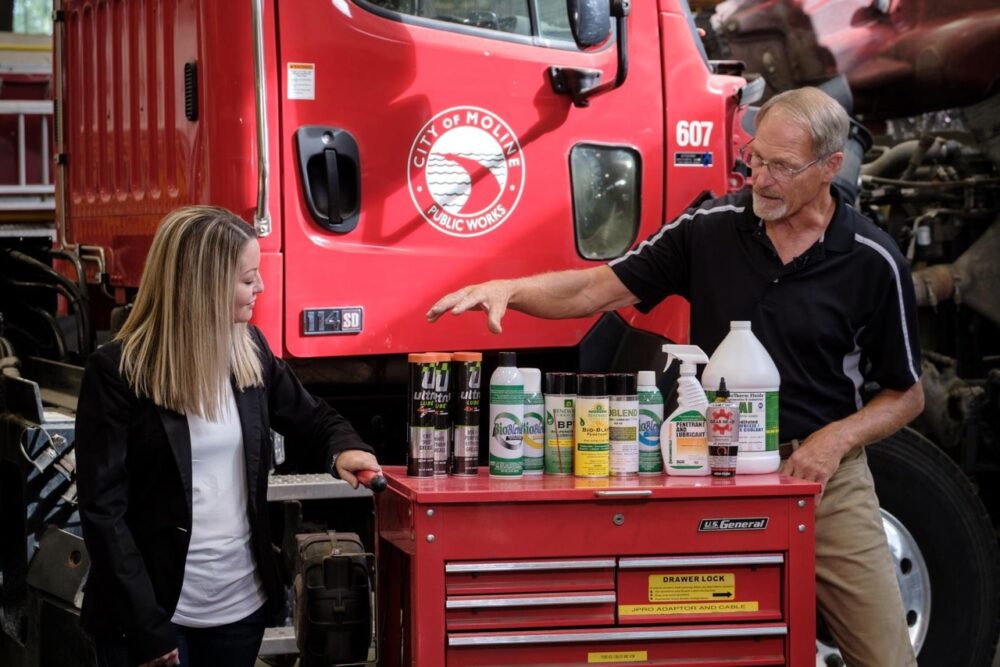
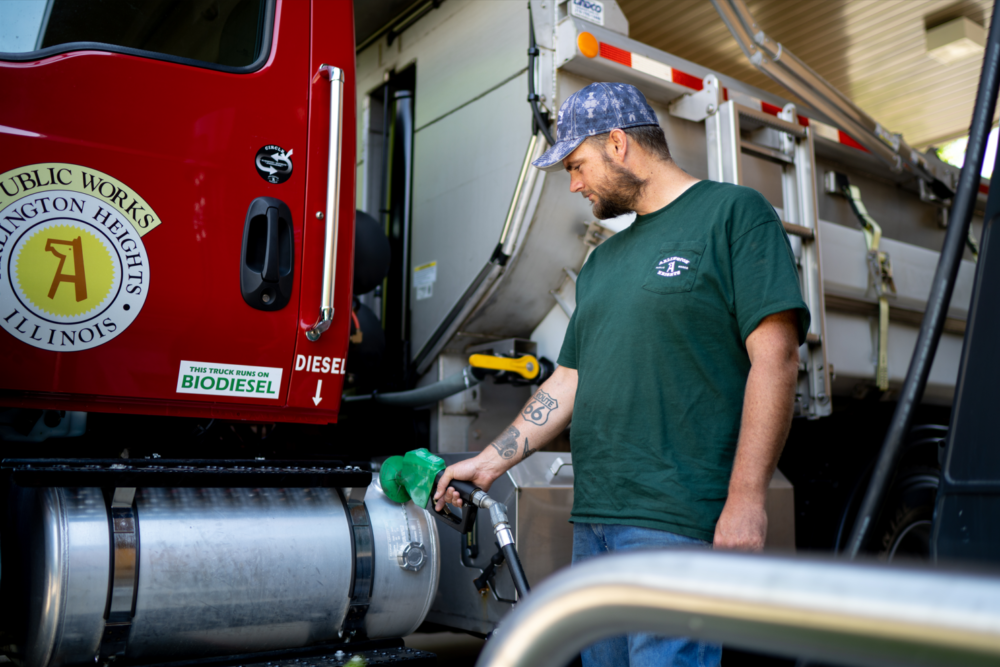
America’s fleet leaders have a new tool to support sustainability and worker health thanks to a partnership between the United Soybean Board and the American Lung Association. The ALA Biobased Academy® is a comprehensive online training program designed to educate fleet and facility professionals and technicians on the operational, health, safety, and environmental benefits of

American Lung Association and United Soybean Board Launch Biobased Academy Fleet Training Program Read More »

Pace Makes Progress on 2040 Zero-Emission Goal – Case Study

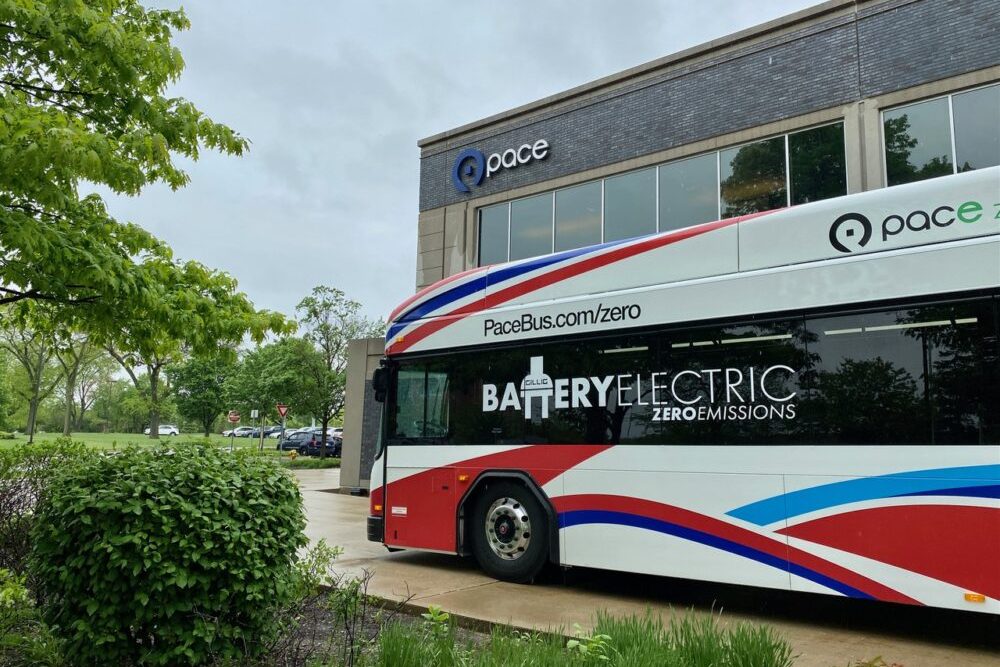
Additional electric bus purchase approved; Facilities studies advance Pace’s strategic vision plan, Driving Innovation, includes operating a zero-emission fleet by 2040. Converting a fleet of more than 700 buses to zero emissions is a logistical challenge, but Pace is ready for the task. As the demand for electric buses far outweighs the supply, it is critical

Pace Makes Progress on 2040 Zero-Emission Goal – Case Study Read More »

USDA to Host Biofuel Infrastructure Webinars

The U.S. Department of Agriculture (USDA) has opened a 90-day application window for Higher Blends Infrastructure Incentive Program grants. The cost-share grants can meet up to 50% (or $5 million) of eligible costs for projects that install, retrofit or upgrade infrastructure to support consumer access to B5 and higher blends. The applications must be submitted through the

USDA to Host Biofuel Infrastructure Webinars Read More »

WasteNot Compost, From Bike to Nation’s Largest EV Waste Management Fleet – Case Study

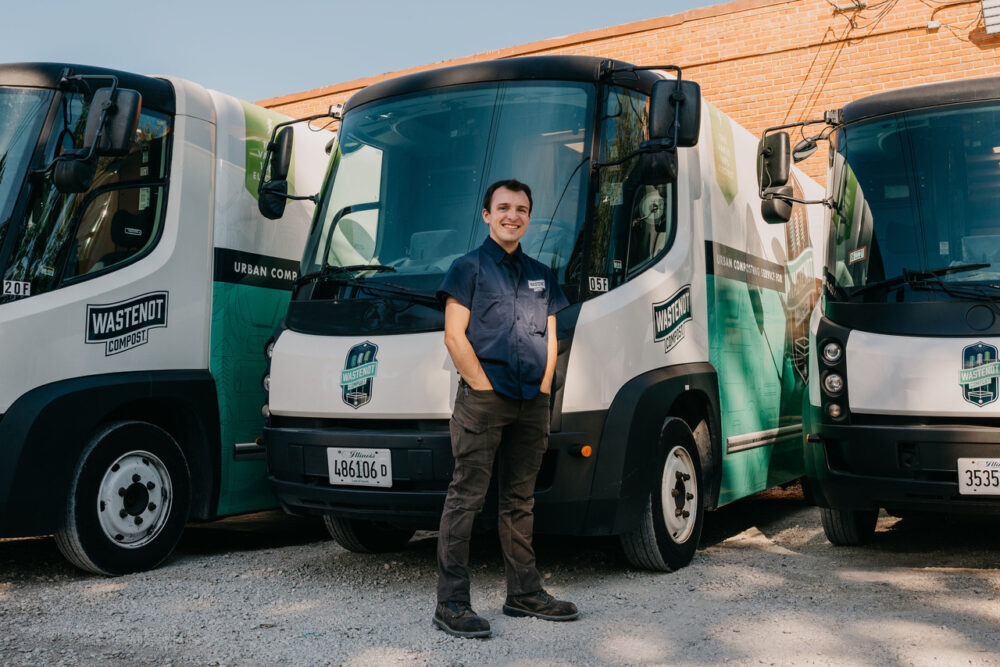
CEO Liam Donnelly began WasteNot Compost in 2012, operating originally on bike & trailer to collect from his customers. Surging demand coupled with rapid service area expansion required a transformation of his bike operation to something more capable. Dedicated to delivering a sustainable service sustainably, Donnelly has transformed WasteNot into not only the first all-electric

WasteNot Compost, From Bike to Nation’s Largest EV Waste Management Fleet – Case Study Read More »

Scroll to Top