Fuels & Vehicles

As a Clean Cities and Communities coalition, we promote all alternative fuels that help to reduce transportation emissions, including electrification, biodiesel, natural gas, renewable fuels, biofuels, hydrogen, and more.

Promoting Alternative Fuels and Vehicles

Advanced vehicle technologies, alternative fuels, and anti-idling measures help to reduce emissions, improving local air quality and increasing our nation’s energy security.

Many of these reduced and zero-emission fuels and technologies are featured below.
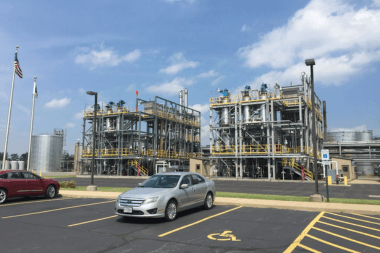
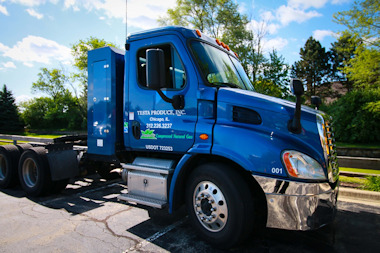
Biodiesel

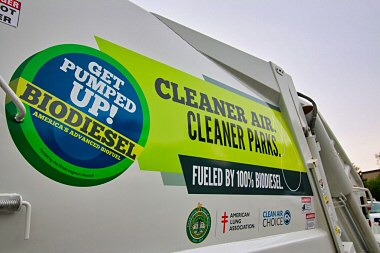
Biodiesel is a diesel substitute fuel made from biomass, making it inherently renewable, and it contributes nothing to carbon-dioxide loading of the atmosphere. It is often referred to as B100, pure, or neat biodiesel in its unblended form.

Learn More

Renewable Diesel

Renewable diesel is made from fats and oils, such as soybean and canola oil, and is processed to be chemically identical to petroleum diesel. It can be used as a direct replacement for petroleum diesel or blended in any proportion.

Learn More

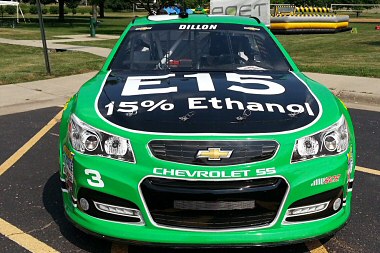
Ethanol

Ethanol is a renewable, domestically produced fuel that burns cleaner than gasoline. Ethanol also has a higher octane number than gasoline, providing more power and performance. Most modern vehicles can run on low-blend ethanol.

Learn More

Natural Gas

Natural gas used in alternative fuel vehicles is primarily compressed natural gas (CNG). It is widely available through an established distribution network, relatively affordable, domestically produced, and can help improve air quality.

Learn More

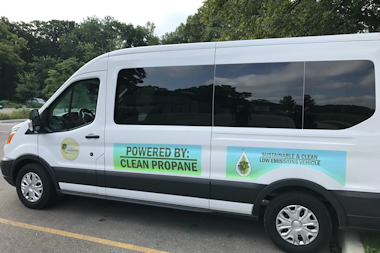
Propane

Liquefied petroleum gas (LPG) is similar to the propane used in home barbeques, though automotive applications typically use a mixture of propane and butane. Most of the propane used in the U.S. is produced and distributed domestically.

Learn More

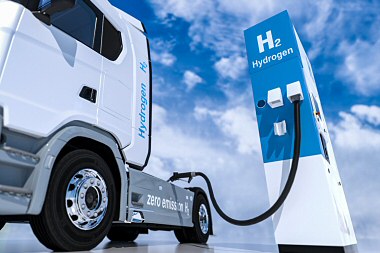
Hydrogen

Hydrogen is playing an important role in developing sustainable transportation in the U.S. It can be produced from a variety of domestic resources and has the potential to significantly reduce air pollution.

Learn More

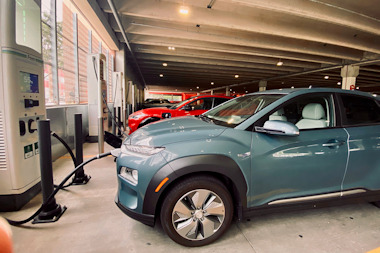
Electric Vehicles

Electric vehicles (EVs) are propelled by an electric motor (or motors) powered by rechargeable battery packs. EVs can help improve fuel economy, lower fuel costs, and improve air quality, producing zero-emissions at the tailpipe.

Learn More

Emerging Alternative Fuels

Several emerging alternative fuels are under development or available that help reduce pollution, strengthen energy security, and support the U.S. economy, including biobutanol, dimethyl ether, methanol, and renewable gasoline.

Learn More

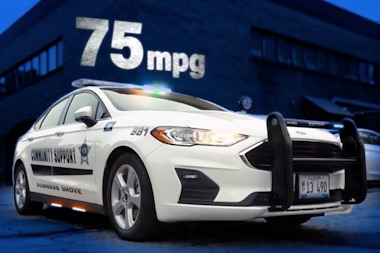
Hybrid Vehicles

Hybrid-electric vehicles (HEVs) combine gasoline engines with electric motors. They offer the efficiency and lower emissions of electric drive while maintaining the power and driving range of conventional vehicles.

Learn More

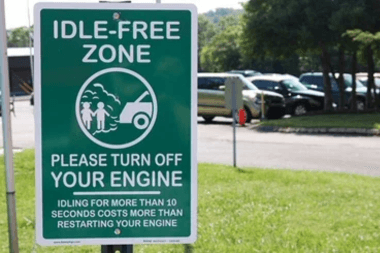
Fuel Conservation

More than 266 million vehicles consume millions of barrels of petroleum daily in the U.S. Idle reduction technologies help reduce fuel use and emissions by allowing operators to avoid prolonged idling of the main propulsion engine.

Learn More

Fuel Conservation

Sustainable aviation fuel (SAF) is produced from non-petroleum feedstocks and can help reduce emissions from air transportation. Depending on the feedstock and production process, SAF can be blended with conventional jet fuel.

Learn More

BECOME A MEMBER

The Illinois Alliance for Clean Transportation is a voluntary, statewide coalition dedicated to reducing emissions from the transportation sector.

Scroll to Top