
For most of my career, clean transportation has been both my profession and something I have tried to practice in my own life.
I spent 18 years leading the Chicago Area Clean Cities coalition, now the Illinois Alliance for Clean Transportation, while also serving as the City of Chicago‘s Clean Transportation Program Director. Over those years, I have watched clean transportation evolve from a relatively specialized field focused on alternative fuels and early vehicle technologies into a much broader conversation about electrification, mobility, infrastructure, energy, and access.
For many years my own transportation choices were fairly simple. My family had one car, and I primarily used transit, walked or biked to get where I needed to go.
Then life changed.
Our family grew to include two young children, and our transportation needs increasingly included aging parents traveling with us. Like many families, the vehicle that works for your life at one stage may not work at another. We became a two-car household.
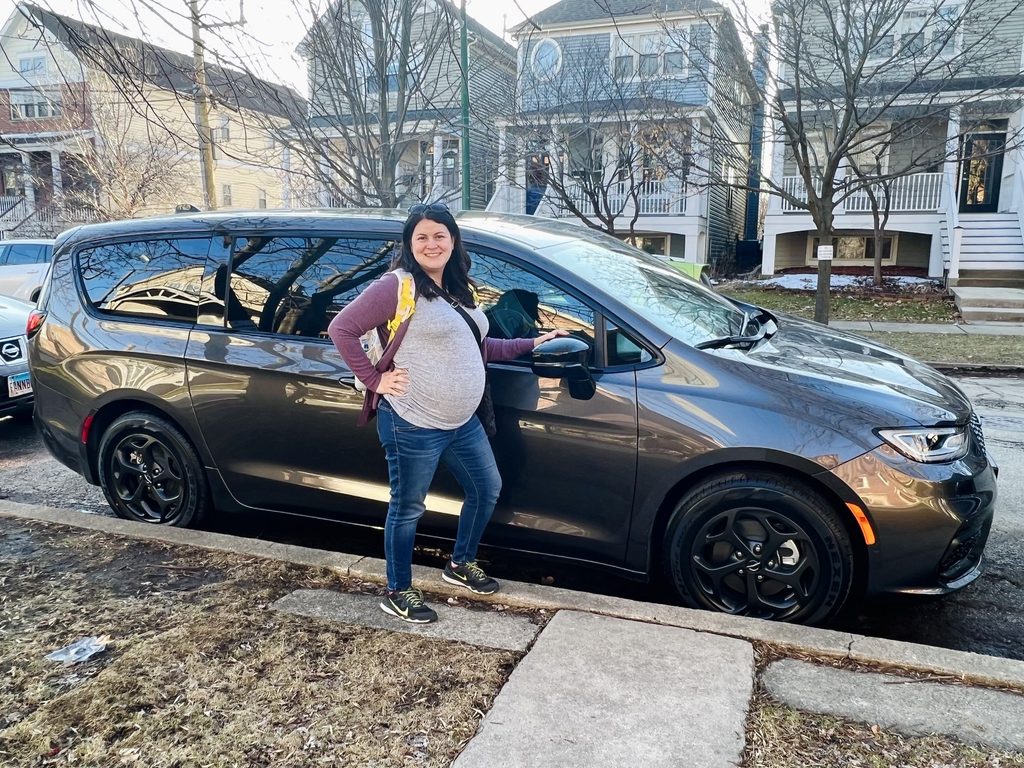
I wanted those vehicles to reflect the clean transportation values I had spent my career advancing. Today, we own a used 2016 Volkswagen e-Golf and a 2023 Chrysler Pacifica plug-in hybrid minivan.
It isn’t the transportation footprint I had 15 years ago, but it works for the family I have today and electrification means that the driving we do requires significantly less gasoline.
Closing the Charging Access Gap
Our EV-ownership experience reinforces something I have spent years working on professionally: access to charging matters enormously.
For about a year, we lived in an apartment where we had no dedicated parking and no ability to charge at home. We relied entirely on public charging and none of those chargers were in our own community.
We made it work but I had the advantage of working in clean transportation. I knew where to look for chargers, understood the technology, and was already committed to driving electric.
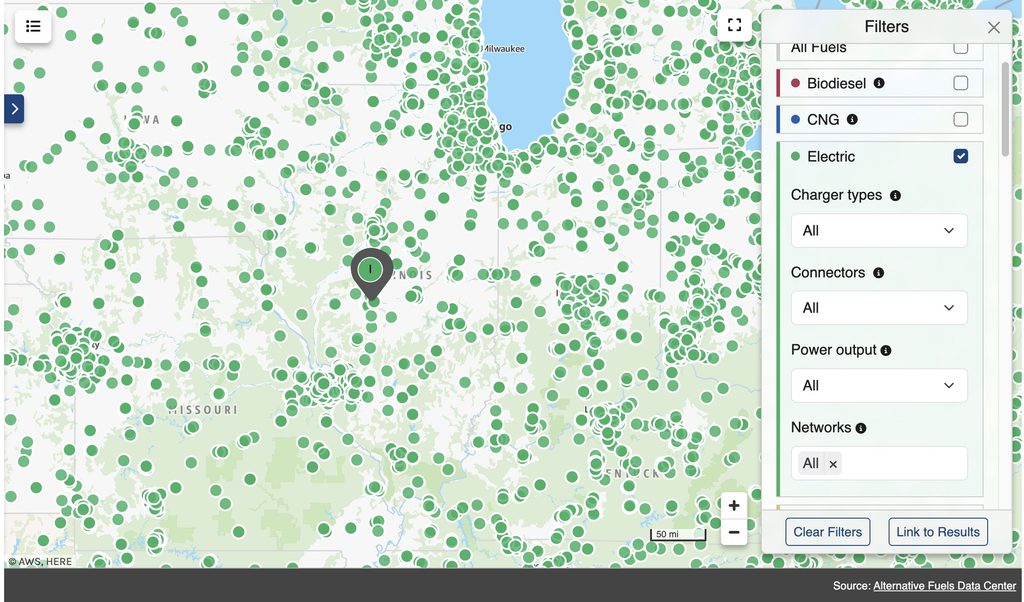
We cannot expect every family considering an EV to overcome those same barriers.
For people who can charge in a garage or driveway, an EV can be remarkably convenient. You plug in at home and wake up with the energy you need. But that experience isn’t available to everyone. Apartment residents, condominium owners, renters and households that rely on street parking can face a very different reality.
If we want electric transportation to become a practical option for more people, we need to close that gap.
From Early EV Adopters to Everyday Transportation
The next phase of transportation electrification isn’t simply about putting more EV models on the road. It is about making the entire experience work for more people.
That means expanding charging at multifamily housing, increasing reliable public charging in communities that have received less private investment, considering curbside and other innovative charging models, and ensuring that charging is affordable, reliable, and convenient.
It also means recognizing that there isn’t one “right” vehicle or transportation choice for every household. Transit, walking and biking remain important parts of a cleaner transportation system. So do battery-electric vehicles, plug-in hybrids and other clean transportation technologies. People’s needs change over their lifetimes, just as mine did.
What should not change is whether people have access to cleaner choices.
My family is now largely insulated from fluctuations in gasoline prices because so much of our everyday driving is powered by electricity. I want more Illinois families who need or choose to drive to have that same opportunity because clean transportation should be a practical choice available to more people.
That is one reason I remain committed to IACT after all these years. The coalition brings together governments, businesses, fleets, utilities, technology providers and communities to help turn new transportation technologies into practical solutions. As IACT continues its work across Illinois, I hope we keep asking a simple question:
What will it take to make cleaner transportation work for the people who don’t yet have easy access to it?
Answering that question is how we move from early adoption to a transportation system that works better for everyone.

As Clean Transportation Program Director for the Chicago Department of Transportation, Samantha leads policies and programs to reduce transportation emissions and advance the City’s sustainability goals. She previously served nearly 20 years as the U.S. Department of Energy Clean Cities and Communities coordinator for the Illinois Alliance for Clean Transportation.