
As we look toward 2027, I find myself returning to a question that has guided much of my career in transportation policy: How do we move from good ideas and promising initiatives to practical solutions that deliver lasting results?
The answer, more often than not, is collaboration.
IACT Board member Dean Alonistiotis offers a thoughtful perspective on the importance of connecting community priorities with broader transportation policy. Drawing on his work with State Representative Kimberly Du Buclet and communities on Chicago’s South Side, Dean makes an important point: environmental progress and economic opportunity should not be competing objectives.
I couldn’t agree more.
Throughout my career, I’ve seen the best transportation investments emerge when government, industry, labor, and communities work together around shared objectives. The most successful initiatives are not necessarily those built around a single technology or funding program. They are the ones that recognize operational realities, respond to local needs, and create opportunities for broader economic growth. That philosophy is central to IACT’s approach to clean transportation.
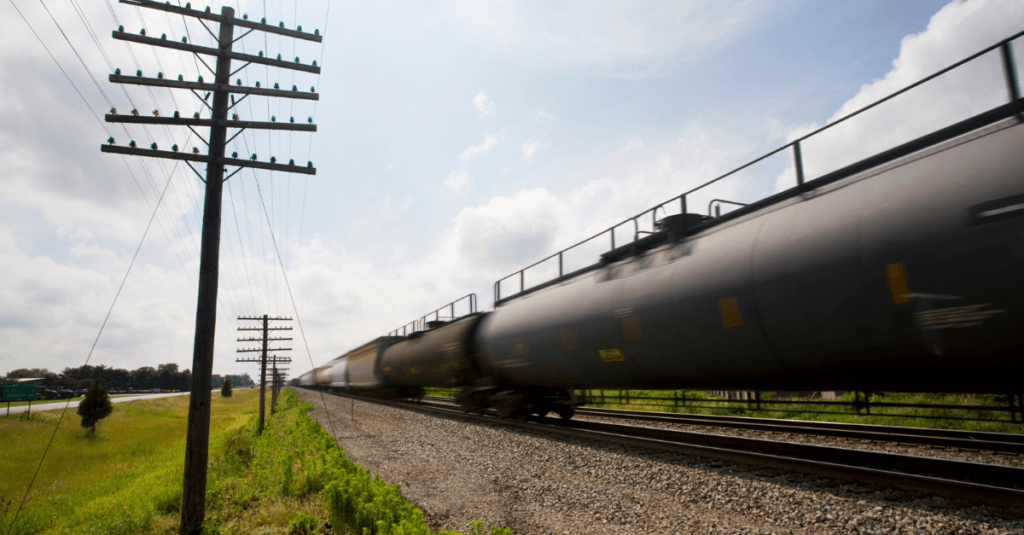
Illinois has extraordinary advantages. We sit at the crossroads of the nation’s freight network, with extensive highway, rail, waterway, and intermodal infrastructure. We have a strong agricultural economy supporting domestic biofuels production, a growing clean energy sector, and businesses developing and deploying advanced transportation technologies.
But having these assets is only part of the equation. The real opportunity lies in connecting them.
For fleet operators, the transition to cleaner transportation must make economic and operational sense. That means looking beyond emissions reductions to consider fuel costs, vehicle availability, infrastructure investments, maintenance requirements, reliability, and long-term competitiveness. It also means recognizing that different fleets and applications will require different solutions.
For communities, clean transportation investments should translate into tangible benefits: improved air quality, new jobs, stronger local economies, and access to opportunities.
And for policymakers, the challenge is to create an environment where innovation and private investment can flourish while ensuring public resources deliver measurable results.
These priorities are not mutually exclusive. In fact, they reinforce one another. That is why I am particularly excited about IACT’s inaugural Fueling Illinois’ Freight Future Summit, scheduled for February 25, 2027, at Autobahn Country Club in Joliet.
The Summit will bring together fleet operators, freight and logistics businesses, technology providers, fuel producers, utilities, public agencies, and policymakers to explore how Illinois can strengthen its freight economy while accelerating the adoption of cleaner transportation technologies.
Our approach will be deliberately technology-neutral and focused on practical solutions. We want to move beyond conversations about what transportation might look like someday and concentrate on what fleets and businesses can implement, what barriers remain, and how policy and partnerships can help overcome them.
We also want to examine the opportunities across the freight system, from trucks and terminal equipment to rail connections, ports, and marine operations. These systems are interconnected, and our strategies should reflect that reality.
Dean’s column reminds us that statewide progress often begins with local experience. I would add that scaling those successes requires bringing communities and industry to the same table, understanding their respective challenges, and identifying common ground.
That is precisely what we hope to accomplish at the Freight Summit.

As we close out 2026 and prepare for the year ahead, I encourage our members and partners to think about where their organizations can contribute. What solutions are working? What obstacles are holding back investment? Where could stronger partnerships make a difference?
Those are the conversations that move us forward.
| Illinois has the assets, the expertise, and the opportunity to lead. Our challenge—and our responsibility—is to connect them in ways that strengthen our economy, support our communities, and deliver a cleaner, more competitive transportation future. |
I look forward to continuing that conversation with you in Joliet on February 25.
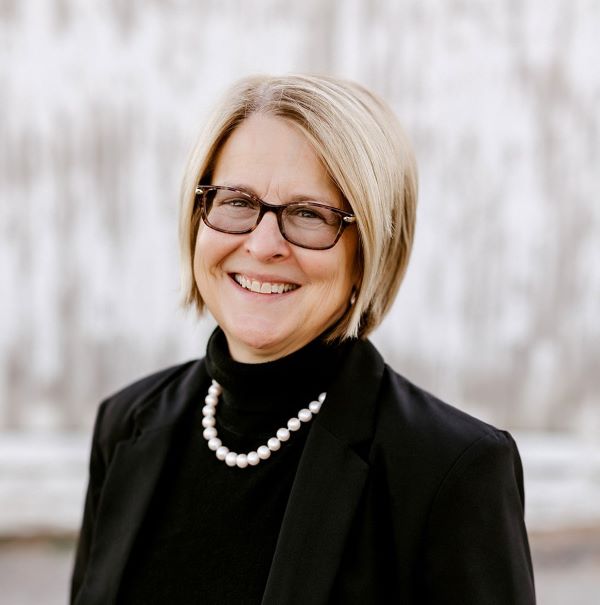
Dr. Ann Schneider became IACT’s chair in 2026, bringing 36 years of professional experience in public finance, public policy, and solutions development and 18 years of executive-level transportation policy experience to the role. Now a transportation policy consultant, Dr. Schneider has helped clients secure nearly $357 million in grant funding.