
For too long, conversations about climate change and clean transportation have been framed as choices between protecting the environment and growing our economy. My experience working in government and alongside community, business, labor, and environmental leaders has shown me that the strongest policies can do both.
Clean transportation is a good example.
In my work with State Representative Kimberly Du Buclet and throughout Chicago’s 5th District, I have seen how transportation policy connects to nearly every issue communities care about: the air our children breathe, the cost of getting to work, access to jobs, neighborhood investment, and public health.
That experience has shaped how I approach this work. Start locally. Listen to communities. Build partnerships. Demonstrate what works. Then find ways to scale those solutions across Illinois.
Communities on Chicago’s South Side have experienced the consequences of decades of transportation, industrial, and infrastructure decisions. For residents, environmental policy is not an abstract debate. It affects the air outside their homes, the buses their children ride, their daily commute, and the economic opportunities available in their neighborhoods.
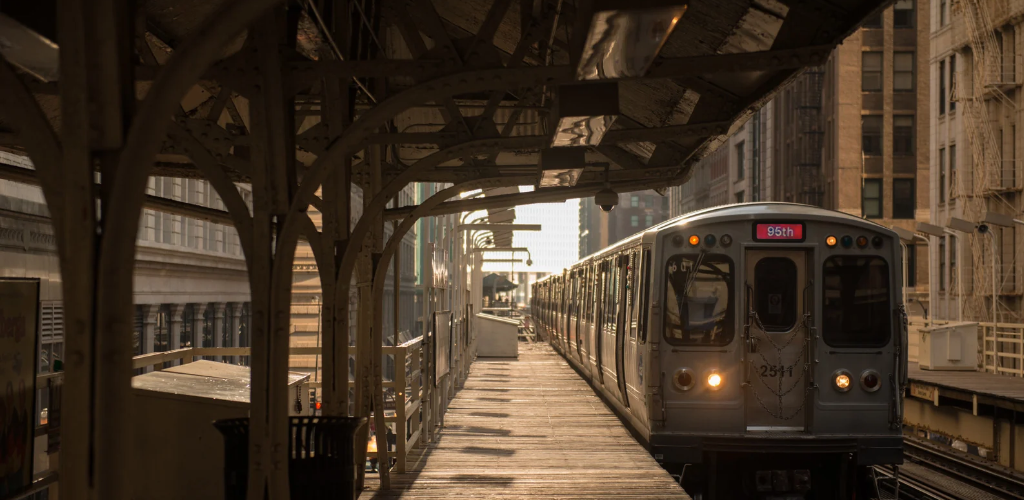
Our work has focused on connecting environmental goals with tangible community benefits.
That means supporting cleaner vehicles and transportation technologies, expanding electric vehicle charging infrastructure, advancing cleaner buses, and fleets, and making sure communities that have historically borne a disproportionate share of pollution are positioned to benefit from new investment.
But the real opportunity is taking those lessons beyond a single district.
One of the most rewarding parts of this work has been helping connect community-level priorities with a broader statewide clean transportation strategy. Representative Du Buclet has helped advance that conversation in Springfield, including through her support for clean transportation infrastructure and recognition of the work being done across Illinois to expand cleaner fuels, electric vehicles, and low- and zero-emission transportation technologies.
That work demonstrates an important point: the clean transportation transition cannot happen through one program, one agency or one piece of legislation. It requires partnership.
State and local government, utilities, businesses, labor, transit agencies, community organizations, and residents all have a role to play. Good policy should bring those voices together and make it easier to move from pilot programs and local successes to solutions that can work statewide.
It also requires accountability. Representative Du Buclet has pursued broader environmental measures, including legislation focused on greater transparency around major corporate emissions. Those efforts complement the transportation work by recognizing that meaningful climate progress requires action across multiple sectors of the economy.

For me, the future of clean transportation in Illinois should be guided by three basic principles.
First, investment has to reach communities. The clean transportation transition should create jobs, lower costs where possible, improve public health, and deliver visible benefits in neighborhoods that have historically carried the greatest environmental burdens.
Second, we need collaboration instead of silos. The most successful initiatives are built when government works alongside businesses, labor, environmental advocates, and community leaders rather than developing policy in isolation.
Third, we should scale what works. Some of the best statewide policies begin with solving a specific problem at the neighborhood or local level, learning from that experience and expanding successful approaches.
That philosophy has guided much of my work: connect policy to people, build partnerships around practical solutions and focus on measurable results.
Through my involvement with the Illinois Alliance for Clean Transportation, I have also had the opportunity to engage with partners working across the state to accelerate the adoption of cleaner fuels, vehicles and transportation technologies.
Illinois is at an important moment.
Major investments in transportation, energy, and infrastructure will shape our communities for decades. The question is not simply whether Illinois participates in the clean transportation transition. It is whether we shape that transition in a way that creates economic opportunity, strengthens communities and improves quality of life. I believe we can.
And the best way to do it is by starting where good public policy often starts: listening to communities, building strong partnerships, proving what works, and then taking those solutions to scale.
That is how local progress becomes statewide impact.
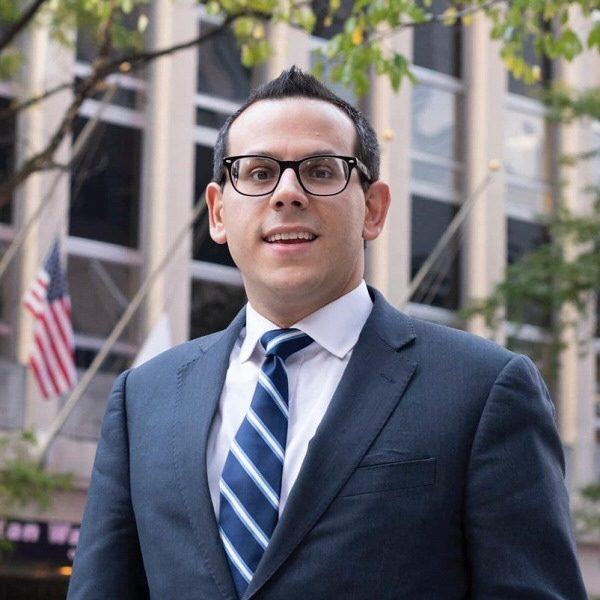
Dean Alonistiotis serves as Chief of Staff to Illinois State Representative Kimberly DuBuclet, leading community and external engagement strategy. He works with public and private stakeholders across Cook County to build partnerships, advance policy priorities, and foster collaboration. With experience across public and nonprofit sectors, Dean focuses on connecting community voices with policy and investment decisions to deliver meaningful, measurable outcomes.